Adelle Circa 1920 Studio Updates 2023

Work Table

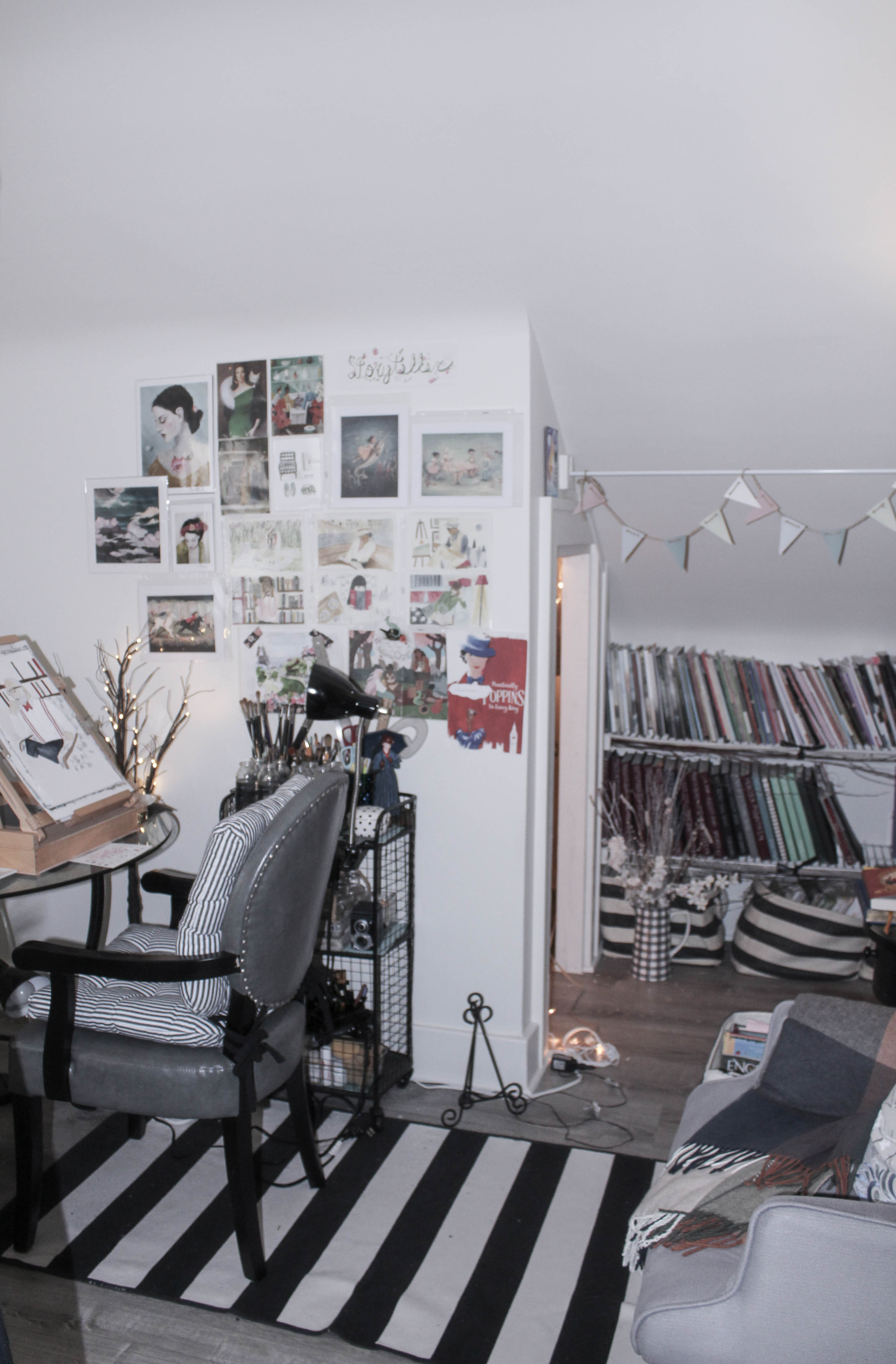
I have softened things up a bit in my studio since I last posted on this blog (I am not even going to get started on how quickly time goes by – sigh). I have included softer lighting, creamy tones, and tan rugs/bins. I love the results!!
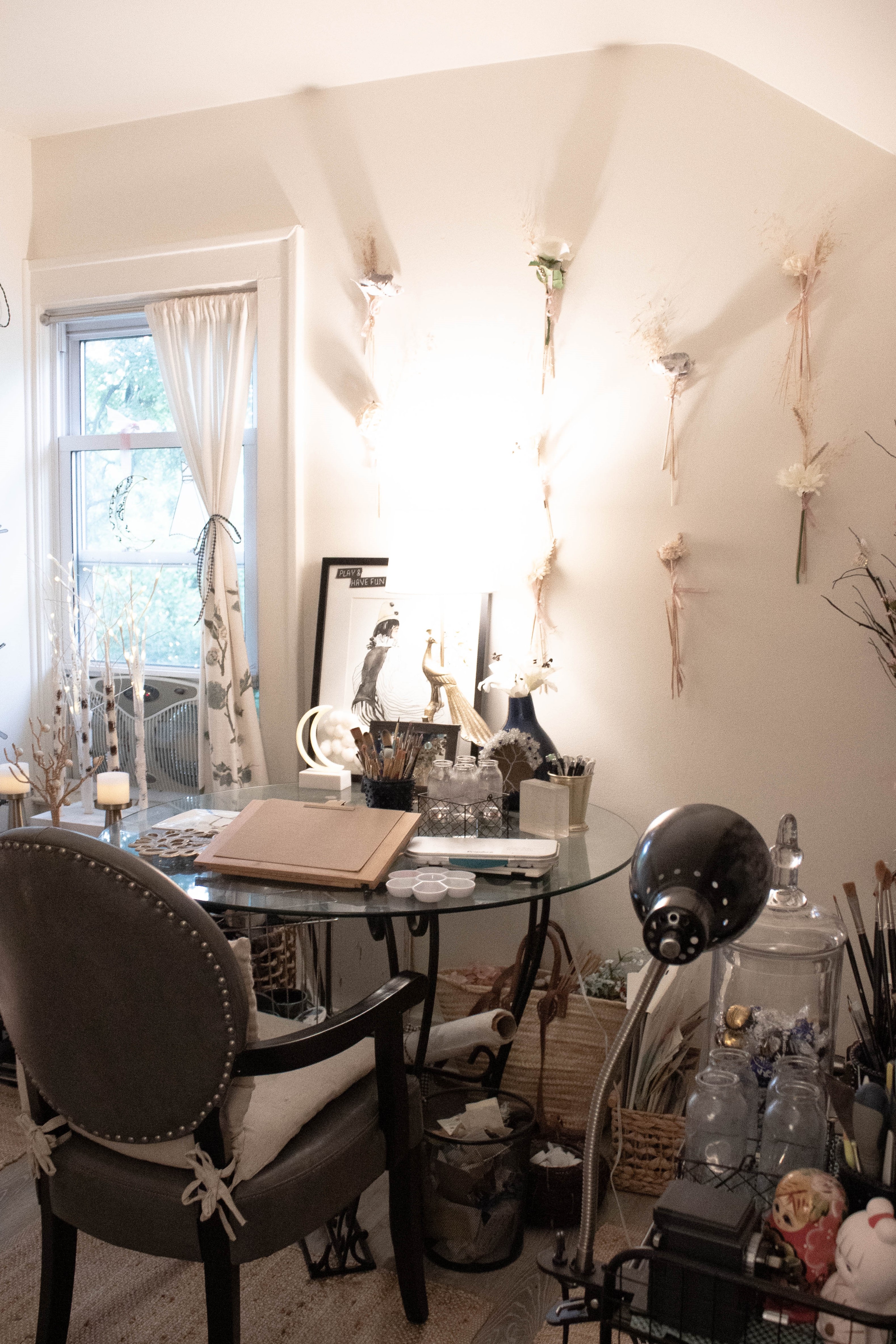
This is my work table from another vantage point. I have scaled back on what I use day to day for the sake of simplicity.
Inspiration Wall

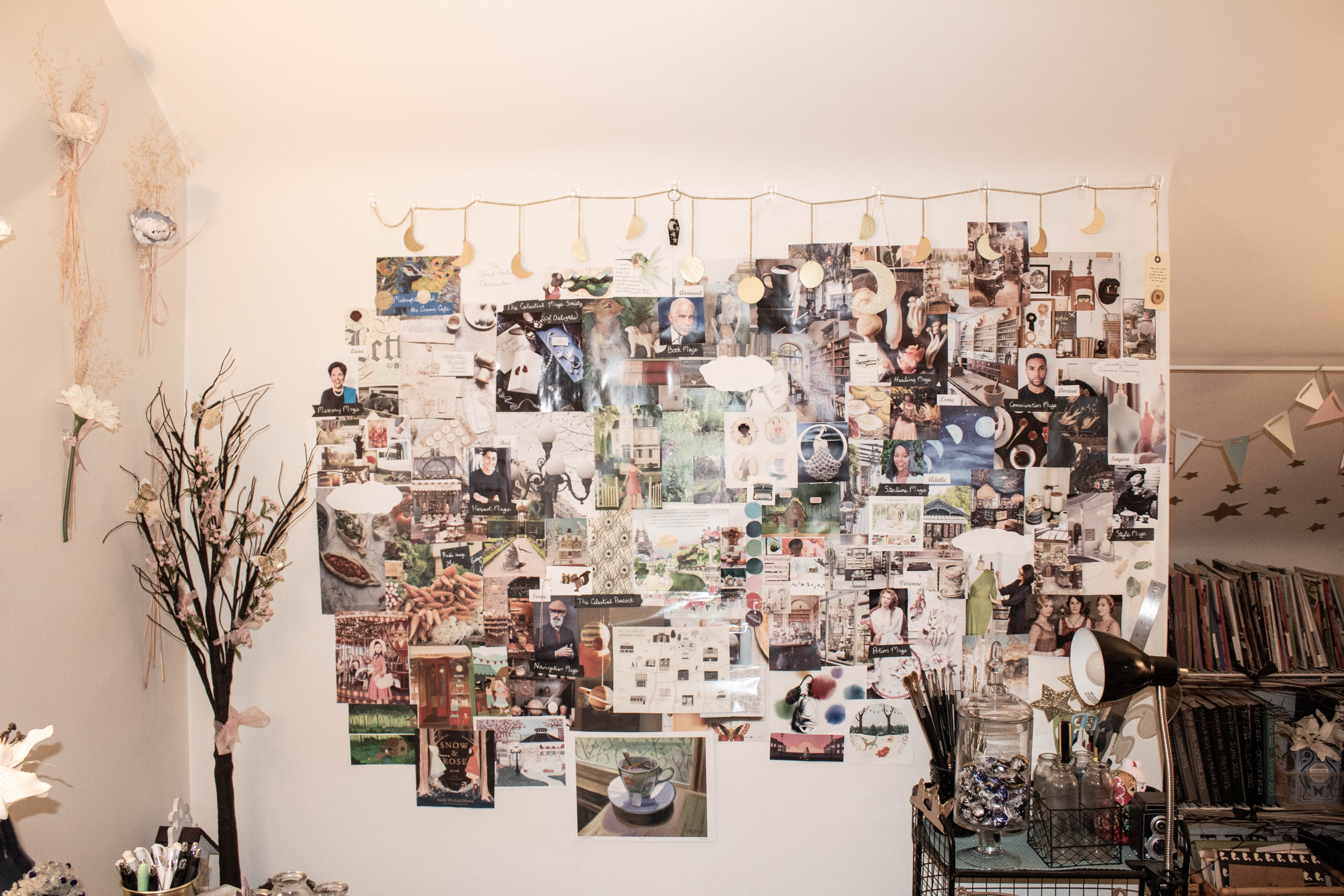
Next to my work table is my inspiration wall for my current project. In as few words as possible, I am working on an illustrated journaling project about mages in Paris during the 1920s. This is all I know right now.
Reading Nook

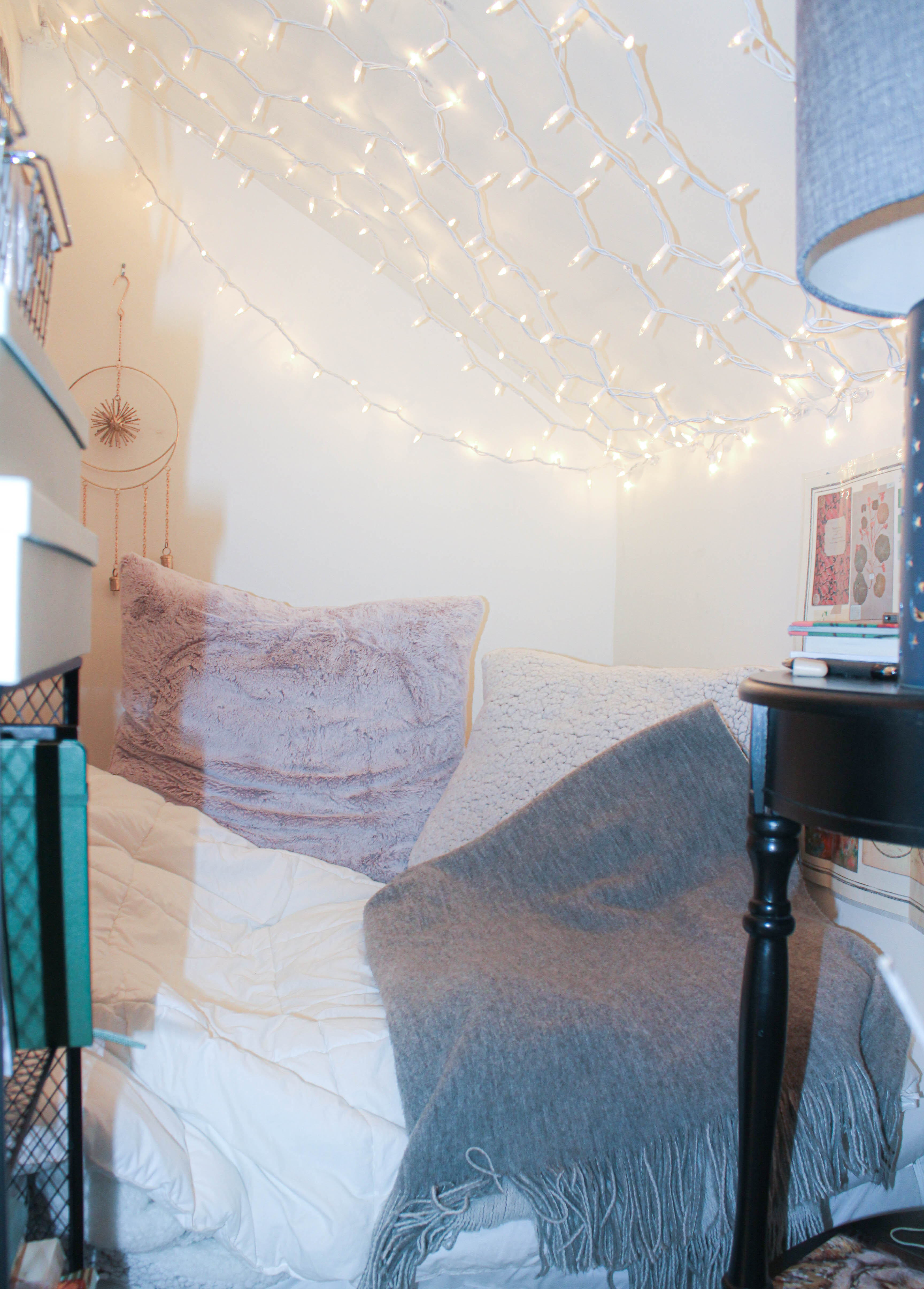
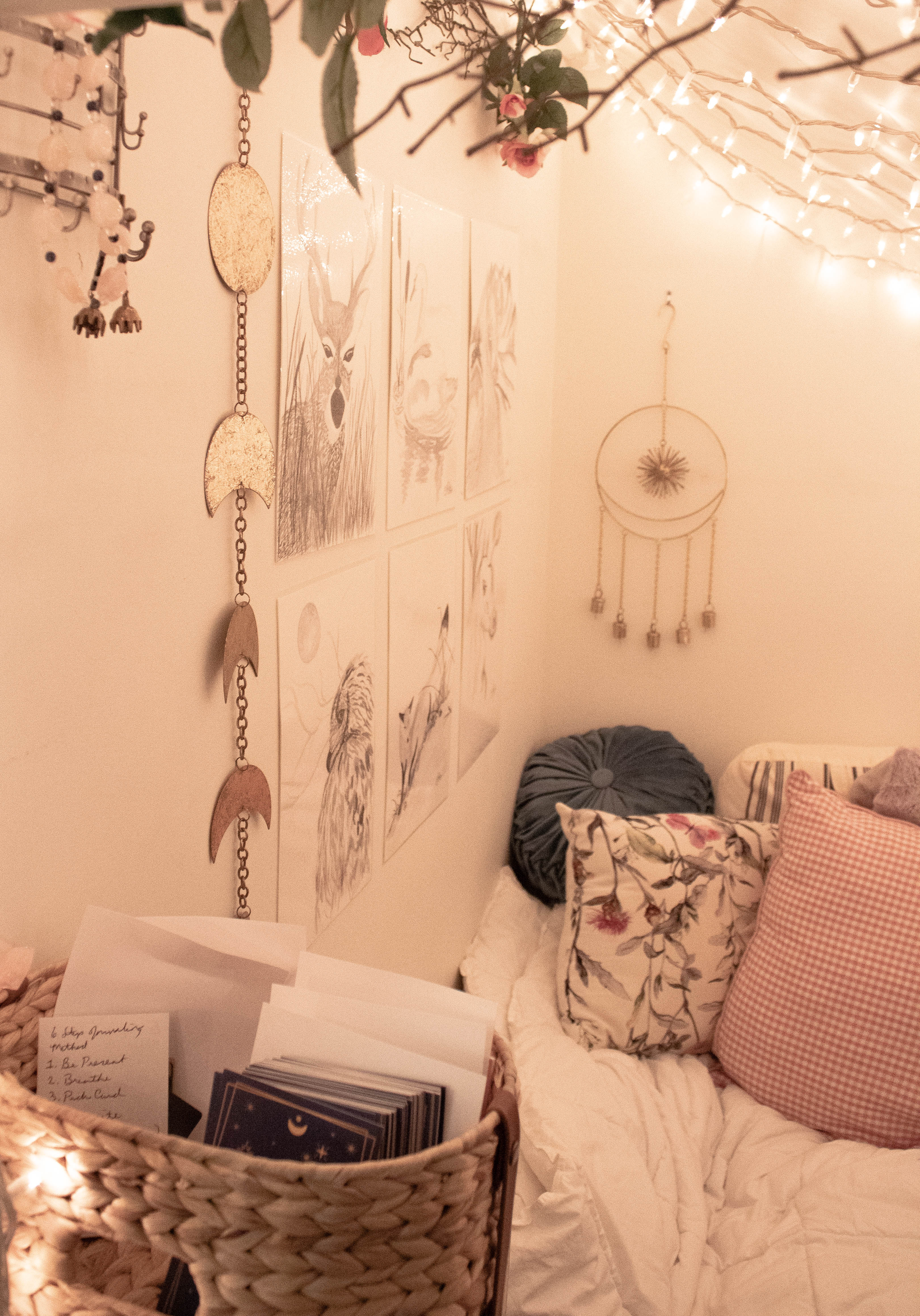
Moving around my space, there is a former closet which I have turned into a reading nook, complete with pillows, blankets, and snacks. This is probably one of my favorite features in my studio space. I created the art on the walls to go with the fairytale vibe I was going for in my studio.
Favorite Books + Journals

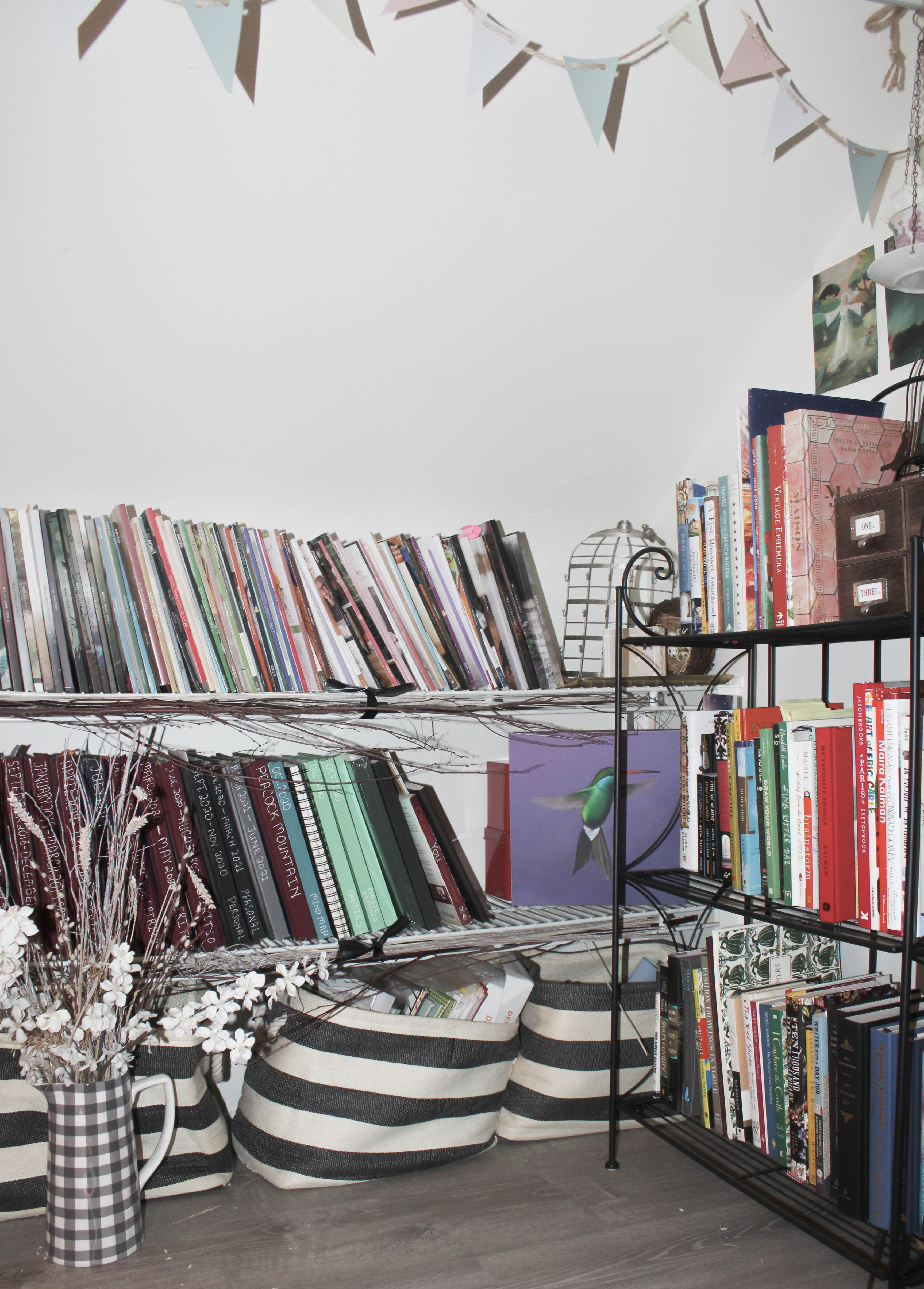
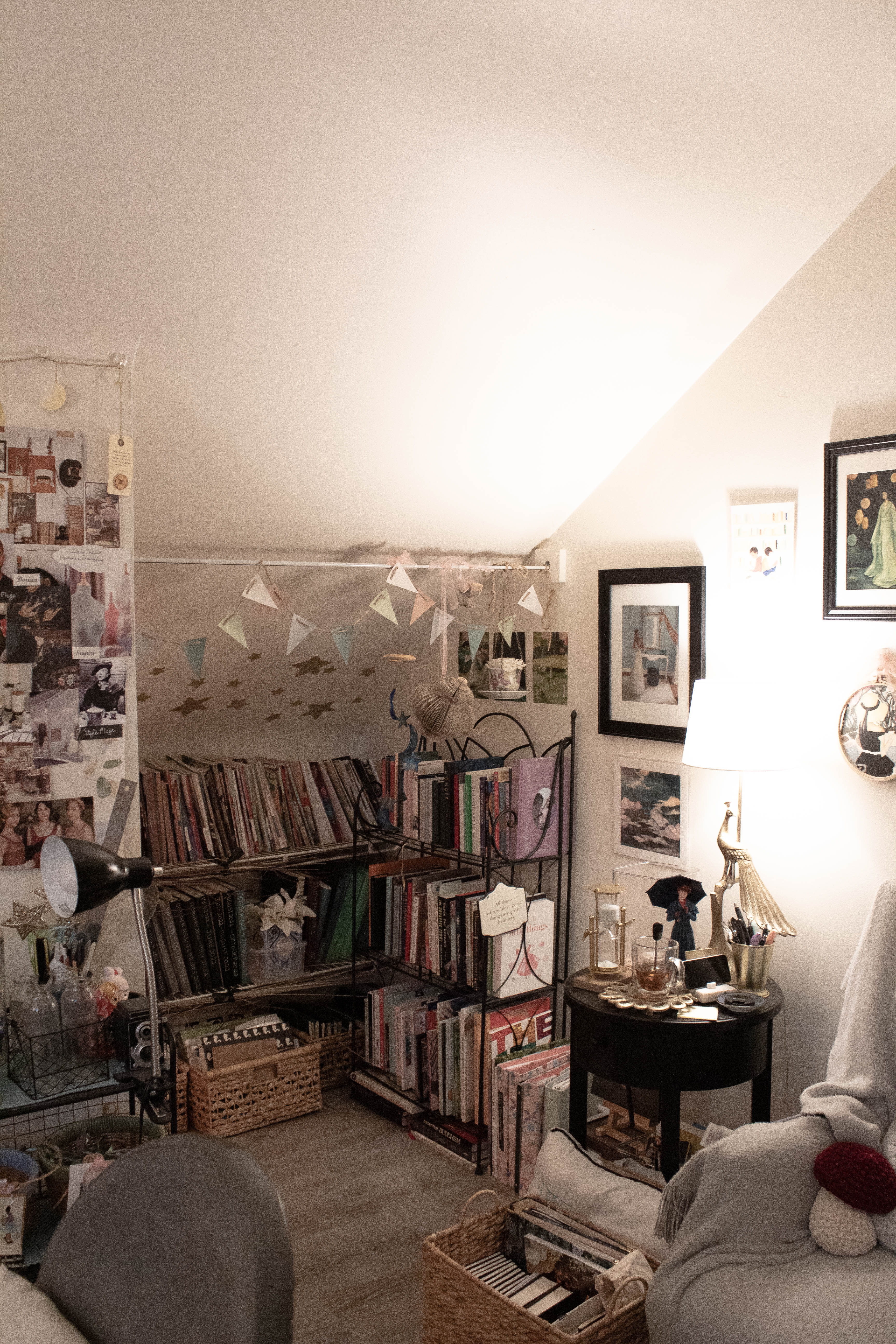
This corner is where I keep my favorite books and all of the journals I have produced to date. I pull inspiration from this corner on a regular basis.
Reading Chair

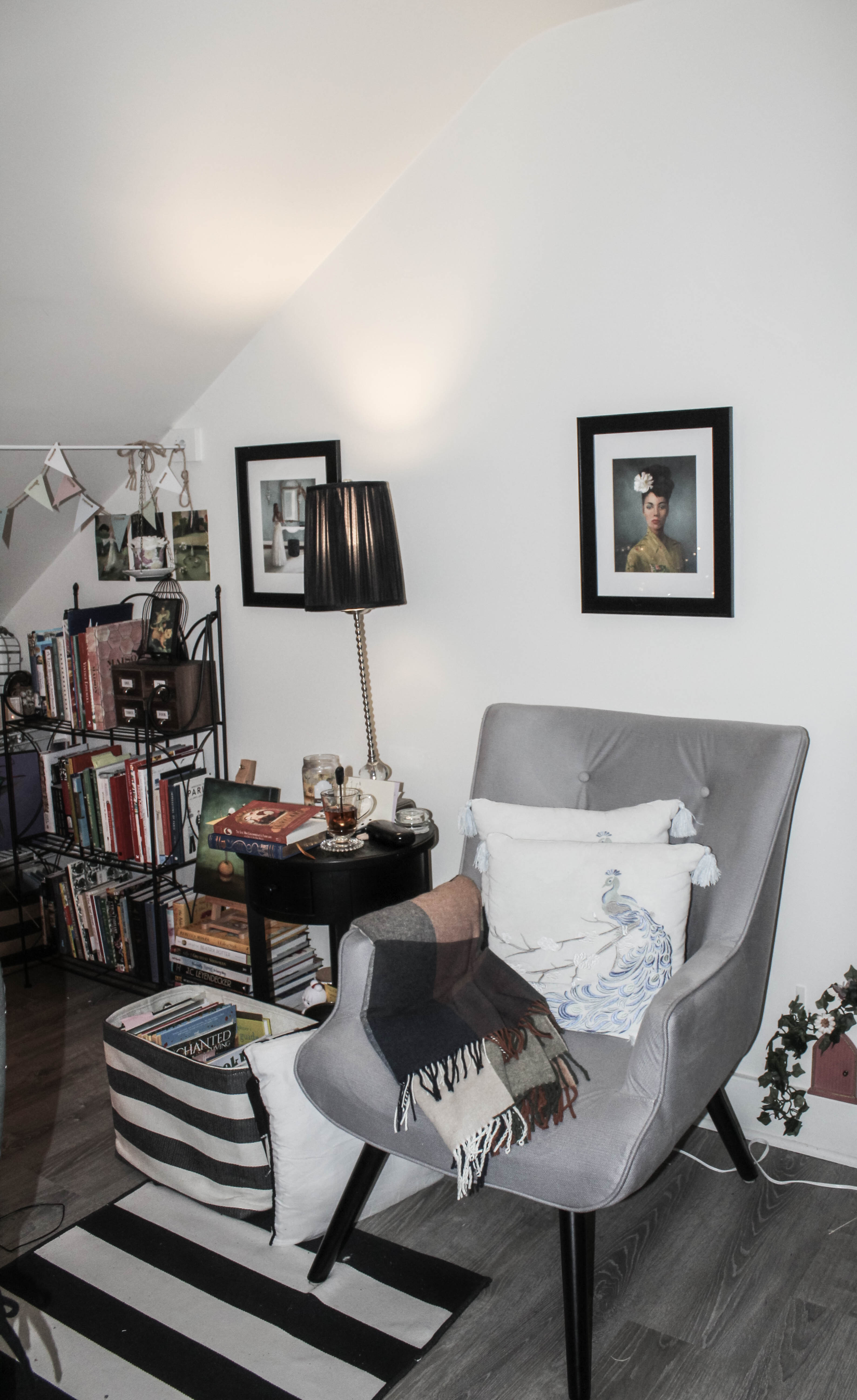
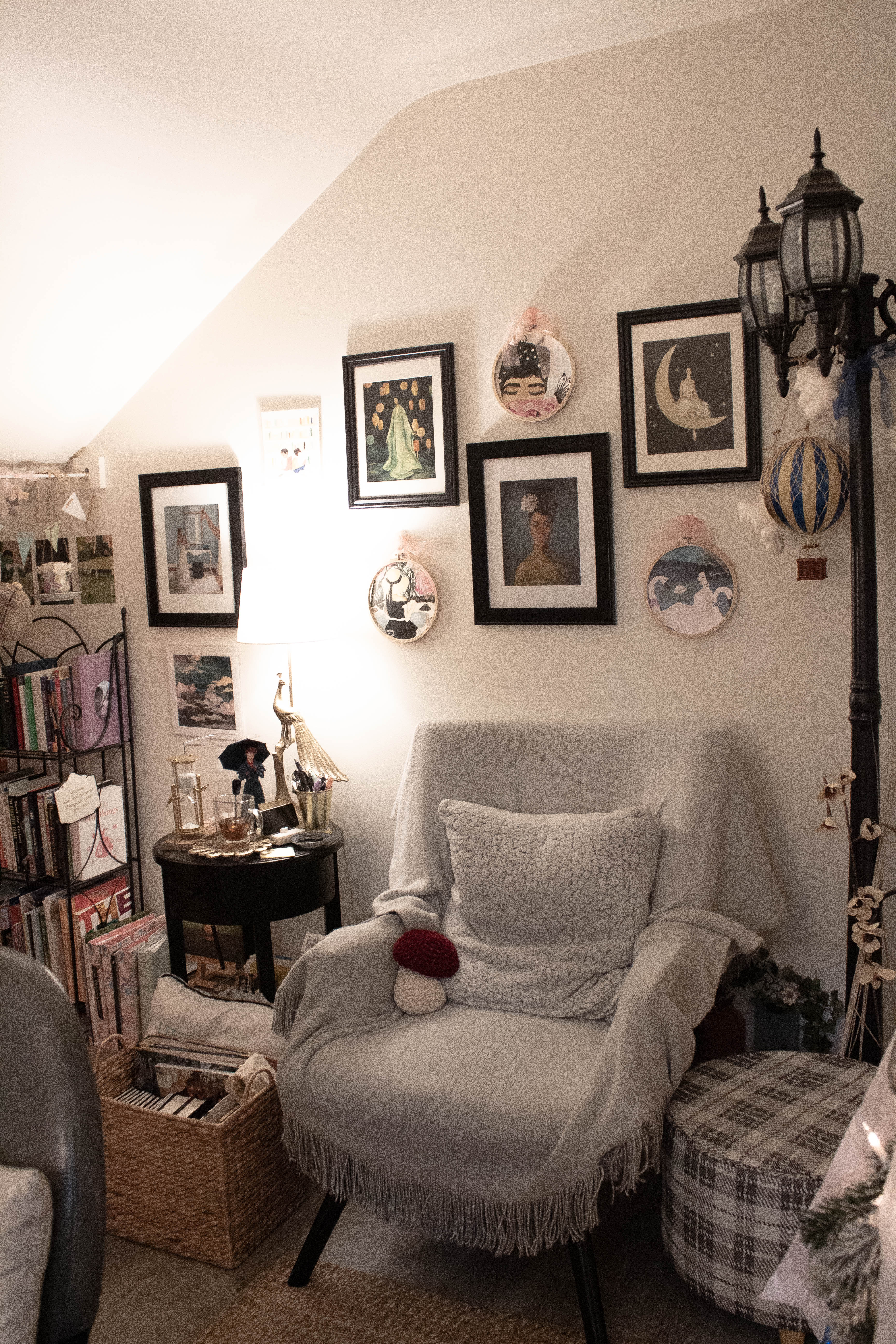
How could any studio be complete without a reading chair as well? I spend just as much time here in the mornings as I do in my reading nook; readers need to have options.

Tea Cart

My next favorite feature in my studio space is my tea cart. The fact that I can just come into my studio, click that little button on the tea kettle, and settle in to create helps so much with my level of productivity in the mornings.
Fairy Tree

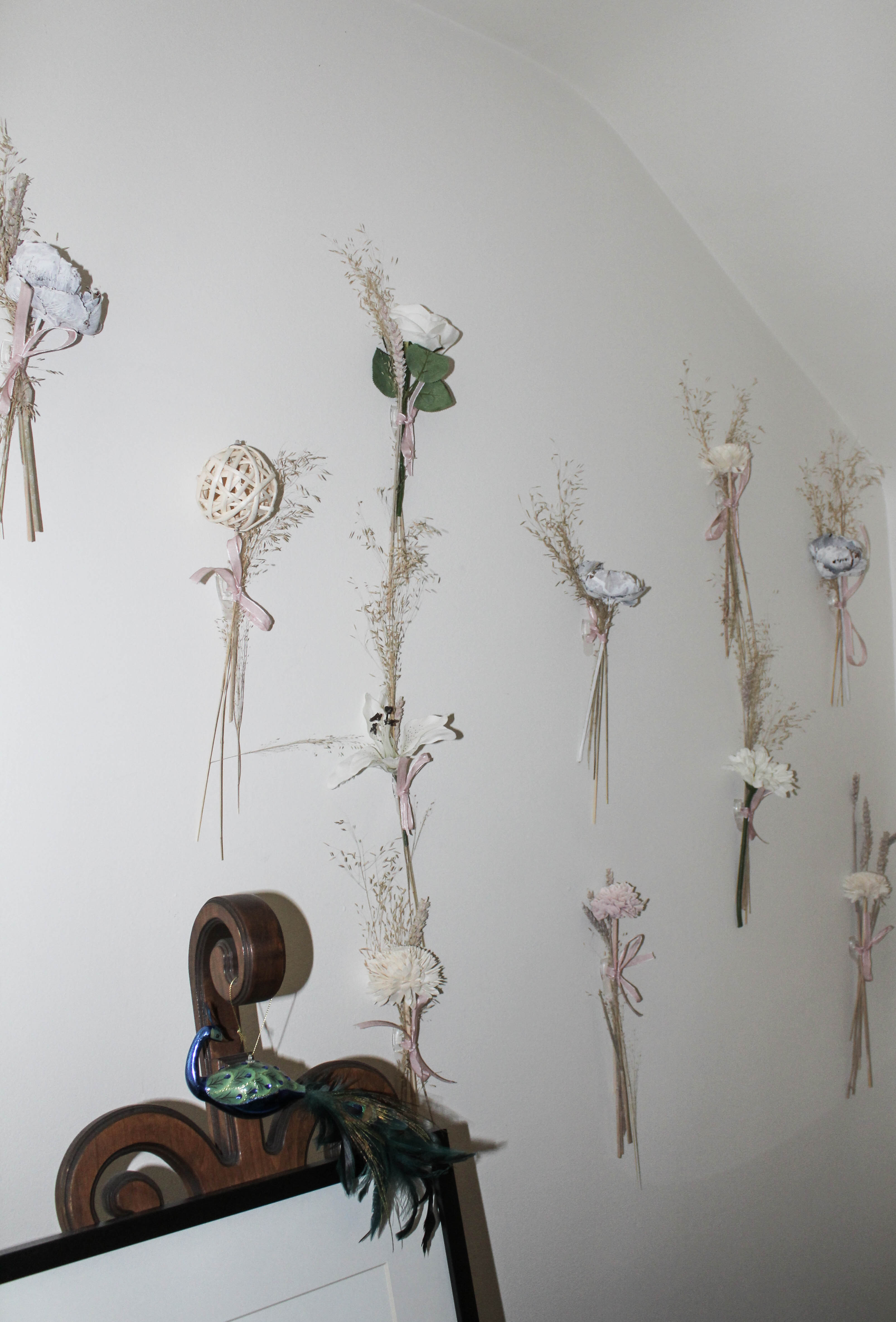
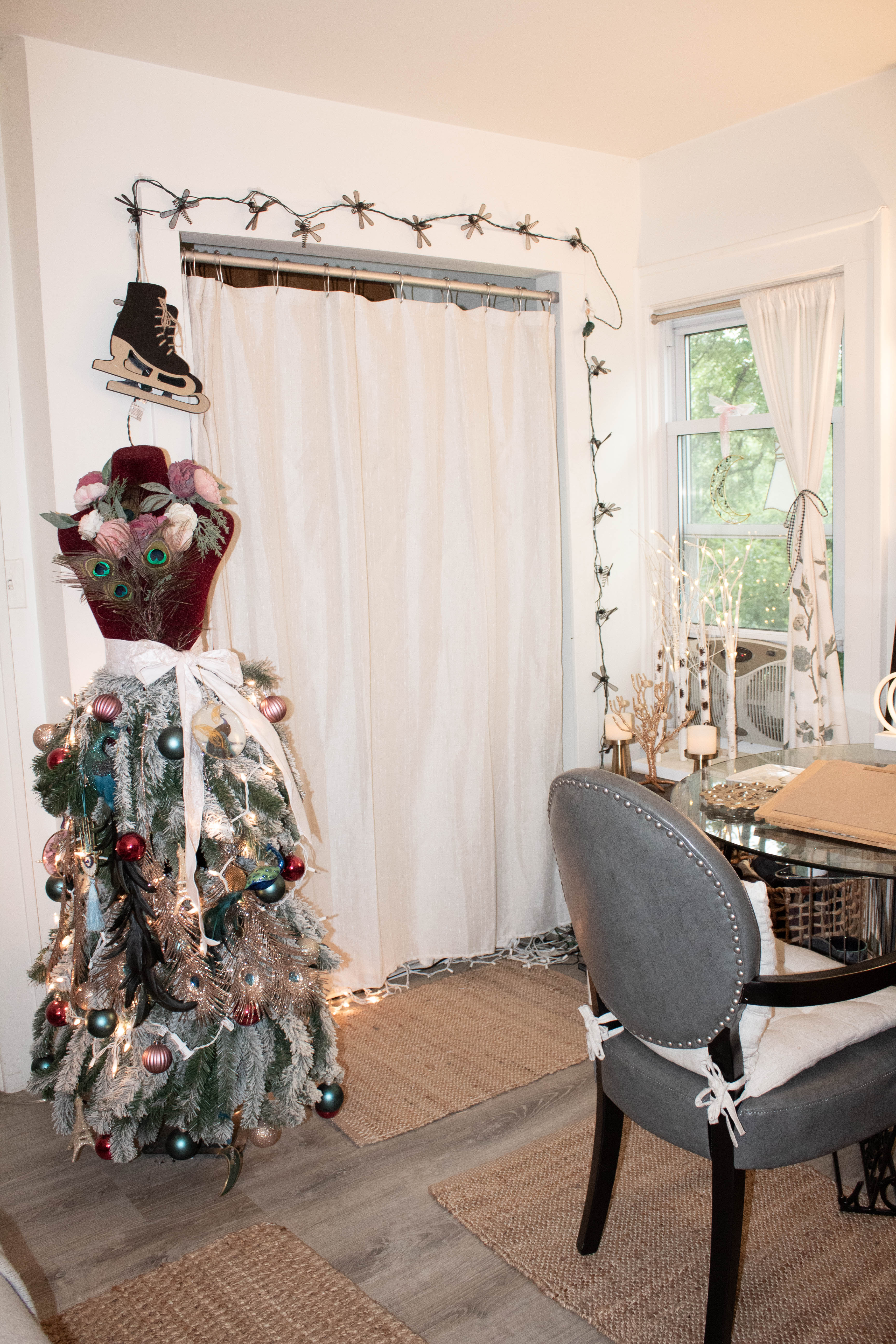
This tree is purely for decoration, but it makes me extremely happy to plug in the lights and bask in the glow every morning. There are peacock feathers, moons, Eiffel towers, and many other ornaments on this tree.

Conclusion

Since I ended my last post with some views from my studio, I thought it would be fun to provide you with some studio updates. It feels good to finally feel like I have some time and energy to blog again. I know that a lot of people are venturing into the podcast space, and I actually do enjoy listening to them. But personally, I still prefer blogging because it is similar to journaling (and clearly I LOVE journaling).

I hope that you enjoyed this peek into my studio, and I hope that you have been able to make room for creativity in your life lately as well.

Welcome to My Studio

Fairy Tree

One line from a section of Julia Cameron’s book stuck out to me, ” As artists, we must learn to create our own safe environments.” For me, that safe environment is my studio. My studios have taken on different forms, mainly dictated by the places where I’ve lived: a corner of a kitchen, a whole living room, a separate room converted into a creative space. I am grateful that I am back in a living space where I can have a separate, dedicated room for my studio. I always know where things are, and whatever is in progress stays where it is. I also love having the ability to shut the door. It is like shutting the door on the outside world so I can enter my creative zone. Today, I am opening the door to share my studio with you!

Art Table

Art Table/Art Supplies

My dad purchased this glass topped dining room table for me as a housewarming gift when I was in my 20s. While initially I set it up nicely with chairs and table settings, I barely used it. This changed when I decided to make it my art table in the corner of my kitchen in Massachusetts. It was the perfect size for spreading out my art supplies, and it received daily use. I also love that it has a fancy, French vibe with the scroll work (which is very me). I use a tabletop easel for completing my illustration work.

Reading/Writing Chair

Reading/Writing Chair

I love this cozy chair with the pillows and blanket. It is perfect for reading, and even more perfect for writing. I have a great view of my whole studio from this chair, and often just seeing different parts of the space gets my creative ideas flowing.

Reading Nook

Reading Nook

I converted a closet into a cozy reading space. It is filled with pillows and a blanket, and of course, a small bookshelf to house my latest reading projects. I also use this space for meditation. The base of the lap projects moons and stars on the dark walls, and makes it seem more spiritual and mystical.

Tea Bar

Tea Bar

Some people have carts for cocktails. I choose to have a cart set up for tea. It contains everything I need to make a great cup of tea – an electric teakettle, tea diffusers, mugs, and different varieties of tea to suit my mood. The best part about it is not having to walk all the way to the kitchen when I want tea, which would wreck my creative flow.

Lighting

Lighting

Lighting is very important for setting the right mood. I tend to love content that is whimsical and magical, so strategically placed fairy lights, lamps, and candles are vital. This street lamp dripping with hot air balloons is my favorite source of lighting. Right now, I’m burning candles that smell like autumn – crisp leaves, apples, and hints of cinnamon.

Books

Books

No space of mine would be complete without books. These are not just any books though – they are my favorite books to help me stay inspired as I work on creating my own stories. I have a adored books since I starting reading around the age of 3. I have had many interests over the years that have peaked and faded, but my love for books has never waned. This is why I’ve decided to make books the main subject matter of my creative work.

Floral Wall

These are the main components that make this a safe space for me to express myself as an artist. Do you have a safe space in your home where you create? If so, please share in the comments. I love hearing about the creative spaces of other artists and creatives.

I No Longer Want To Be a Shadow Artist

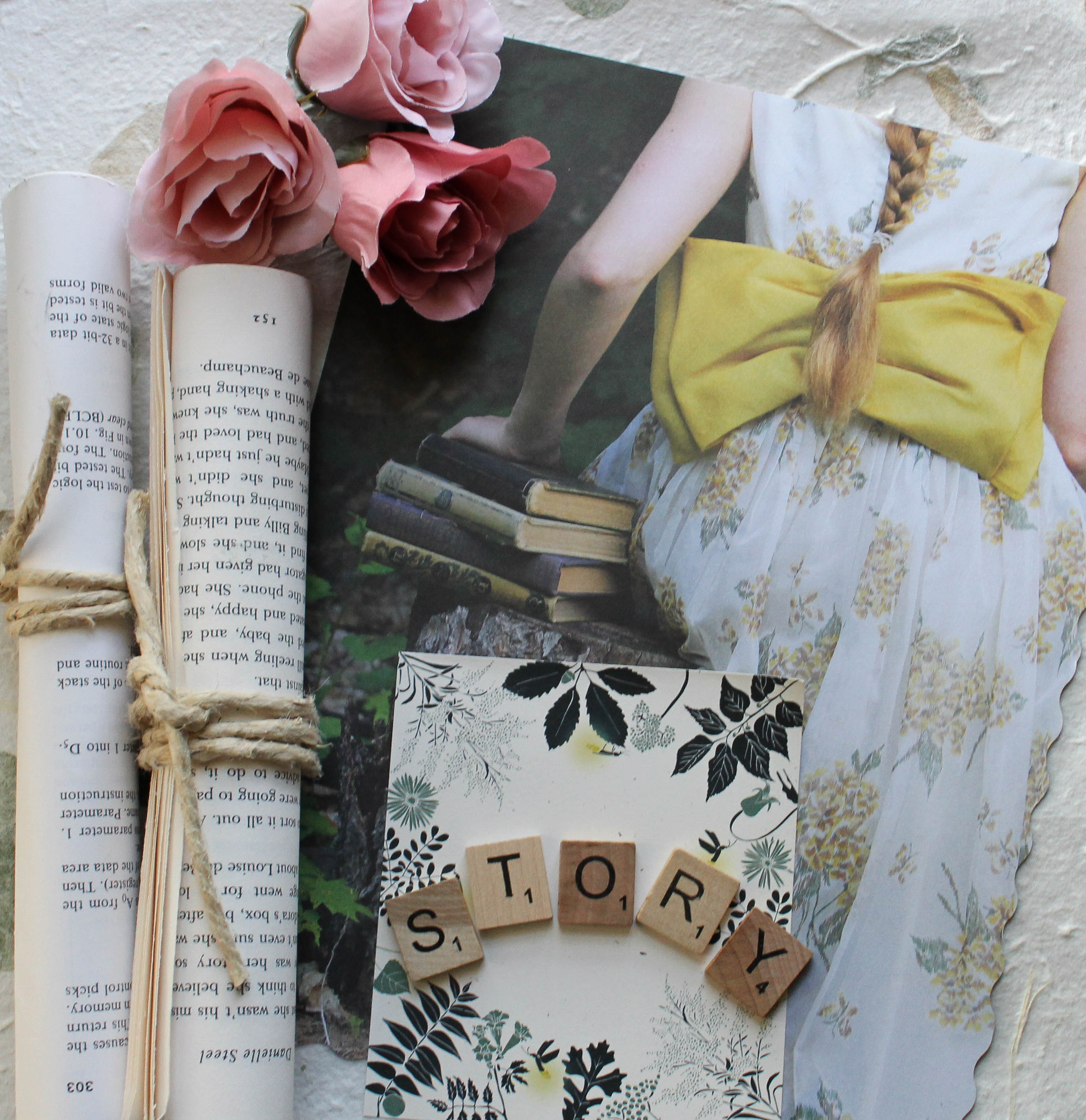
Image of Woman with Books Courtesy of: Alisha Firdland firdlandprints.com/Photo by: adellecirca1920

On one of my days off this week, I decided to visit a metaphysical store called Crazy Wisdom Bookstore in Ann Arbor. It is a wondrous place not only filled with books, but crystals, tarot decks, incense, journals, art, and gifts. I went there hoping to find books on art and spirituality, but I couldn’t find any. I decided to ask one of the lovely booksellers for assistance, and she looked up various keywords tied to art and spirituality and nothing was coming up. She was as surprised as I was they don’t have a section of the store devoted to this section. Then she said, “Wait, here’s one. “The Artist’s Way” by Julia Cameron.” I laughed and told her I already have that one. I thanked her and left the bookstore. As I was walking away, I started thinking, maybe that was a sign, a prompt, to return to the “The Artist’s Way.” The book is about creative recovery, and that is what I find myself in need of once again.

When I first delved into “The Artist’s Way” 13 years ago, I had no idea what I wanted or what to expect – all I knew was that I had this overwhelming urge to be creative. So, I dove into the book, reading sections and trying out exercises. I started keeping morning pages and going on scheduled artist’s dates as Julia advised more about morning pages and artist dates here. And eventually, I got back to my love of books and the stories they contain by virtue of participating in these activities. This then led to me:

  • reading more
  • learning to write
  • starting a blog
  • learning to draw
  • learning to paint
  • completing a 365 day art challenge
  • setting up art studios in my homes
  • starting an art business

All of these things came about because I embarked on this system of creative recovery, and stuck with it over the years. I realized that I have gotten away from it over the past year – I stopped writing daily morning pages, going on weekly artist’s dates, and creating on a regular basis.

I just read the first essay in “The Artist Way” where Julia Cameron talked about being a shadow artist, which is someone who admires the work of other artist without doing the work of being an artist themselves. This manifests as reading about others, going to museums and galleries, watching movies about artists, supporting the work of artists as agents or representatives, and so on; basically being in a field or pursuing hobbies closely related to the desired field. I’m sorry to admit that I’ve returned to being a shadow artist. I have been flipping through books and admiring the work of others, but I am no longer doing the work myself. There are reasons for this, of course (there always are); like I have a new job that is mentally exhausting and being totally overwhelmed by the scope of the creative project I am undertaking. I still dabble every now and then in my creative work – creating a piece of writing, creating a graphite sketch, working on a painting – but I miss the consistent routine of doing regular creative work. The work of being a true artist.

Now that I have returned to “The Artist’s Way”, I am getting back to basics – doing morning pages, scheduling weekly artist’s dates, and taking small steps on the mammoth story I want to tell (the story of two jazz age bibliophiles in France). I know that I am a Storyteller, but it is time to get back to the work of being a Storyteller. I plan to share my creative recovery, my journey as a Storyteller, on this blog going forward. I am hoping that the entries I share here will help someone else to recover their creativity as well; to stop being a shadow artist, and to start producing the art they long to make.

The Importance of Play

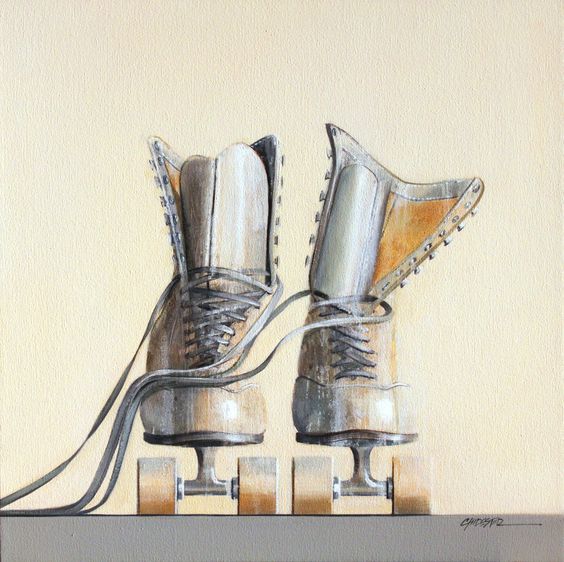
Painting by Wendy Chidester

As I have been struggling to stay productive over these last few months, I have also been contemplating what it means to incorporate play in my life in equal measure. Once we grow up, society basically tells us that play is no longer important for adults; but nothing could be further from the truth.

Play adds a sense of vitality to life – without it, life becomes dull, restrictive, and duty bound. Play helps you to feel more optimistic and creative because you tend to come up with innovative solutions to problems. It is also the foundation of most cultural aspects of our life such as art, games, books, sports, movies, and many more – basically the things we enjoy doing during our free time.

I referred back to the book “Play: How It Shapes the Brain, Opens the Imagination, and Invigorates the Soul” by Dr. Stuart Brown, and I wanted to share some of the insights from that book that stayed with me. One of the activities that Brown recommends is taking a look at your “play history” as both a child and adult to figure out what activities you most enjoy. Some of the questions he advised asking yourself include:

  • What did you enjoy doing as child? Why?
  • When have you felt free to do and be what you choose?
  • Is this part of your life now? If not, why not?
  • What do you feel stands in the way of your achieving some times of personal freedom?

When I completed my play history, I remembered that I spent a lot of time reading when I was young – my fondest memories involve libraries, book mobiles, and hours curled up in my cubby hole with a good book. Reading is one of the activities I consider to be my form of play now. But there was a period of time in my life where I was not reading on a regular basis, and my life was definitely not very enjoyable. I remember having thoughts like “Is this all there is?” (which is one of the questions that Brown mentions being a common question for people who are mainly just doing what is required in life without having much fun). Then, in 2007, I had a sort of epiphany, and started reading fiction again in earnest. Since I started reading again, my life has certainly changed for the better – I started to attend book related events, met new people that shared my interests, joined a writing center to learn more about the basics of writing, and of course, just started reading for pleasure in general. My other forms of play are also related to storytelling – writing and producing illustrations to accompany my writing.

One of the most compelling chapters in Dr. Brown’s book identifies eight basic play personalities that most people fall into (one is your dominant type) – here are general descriptions of the play personalities:

  1. The Joker – these people love nonsense, practical jokes, and telling jokes; they love to illicit laughter; examples include stand up comedians and class clowns
  2. The Kinesthete – these people love to move; they actually think better when they are moving – examples include athletes, dancers, yoga instructors
  3. The Explorer – these people love going new places, exploring new emotions, or delving deep into things at a mental level through research; examples include frequent travelers and scientists
  4. The Competitor – these people love competitive games and activities with specific rules; they play to win; examples include sports, gambling, sales
  5. The Director – these people enjoy planning and executing scenes and events; they like power, organizing, and throwing grand events; examples include event planners, film directors, entrepreneurs
  6. The Collector – these people enjoy having and holding the most, the best, the most interesting collection of objects or experiences; examples include hobby collectors, flea market lovers
  7. The Creator – these people find joy in making things or making something work; these include artists, crafters, designers
  8. The Storyteller – these people love using their imaginations; enjoy telling stories or reading/experiencing the stories created by others; examples include performers, writers, illustrators, cartoonists

As I mentioned earlier, I identify most with the Storyteller. Which one do you identify with the most? This may be the key to figuring out some activities and hobbies you might consider adding to your life to increase your sense of play.

In summary, we play to bring joy into our lives. And we can do this at any age. As one of my favorite Christmas songs says about the Christmas spirit being for “kids from 1 to 92” – I believe play is for all ages as well.

To learn more about Brown’s research on play, check out his book or visit his website at the National Institute for Play

Poetry Plans for 2020 and Tips from the Book “How Poetry Can Change Your Heart”

How Poetry Can Change Your Heart Book

How Poetry Can Change Your Heart Book

I read an excellent, slim volume called “How Poetry Can Change Your Heart” by Andrea Gibson and Megan Falley, and I wanted to share some of the great tips I picked up from the book. I made a commitment to study poetry deeply this year, and a few days later, I stumbled upon this book in a bookstore. These are points that I want to remember, but I always like to share when I find content that is inspiring and useful… so here goes:

“There is a poet out there who is fluent in you (pg. 8) .” – The authors are encouraging readers to keep searching until they find the poets that resonate with them; I needed to hear this because it is often frustrating for me to find poets I really love. This reminds me not to give up hope, to keep searching for poets that know just the right words to awaken the dreamer in me.

“Ayurvedic medicine suggests the root of disease is often undigested emotion. Therefore, to feel is to heal (pg. 30).” – Writing poetry helps us to express emotions that are not always easy to express in day to day life, and in so doing, it helps to keep our energy flowing. I suspect a lot of us suffer from repressed emotions, so I loved this sentiment.

“One of the absolute coolest rules of writing is the Great Paradox, or, the fact that the more specific something is, the more universal it becomes (pg. 38).” – This helps to encourage me to write specific words related to my own unique experience. I often wonder if others will be able to relate to content that is unique to me, but this gives me permission to be uber specific – the details make the difference.

“There is no wrong way to experience poetry (pg. 49).” – The authors said that you should avoid writing the types of poems that turned you off from poetry in the first place (at least when you are first starting). For me, that is all the forms of poetry with lots of rules (i.e. couplets, tercets, quatrains, etc.) – as a result, I gravitate to free verse poetry because I want my writing to be as free as possible. Write the poetry that excites you!

“Poetry is the pen-and-paper version of paying wondrous attention (pg. 99).” – The authors talked about the importance of noticing – really, truly slowing down and paying attention to your surroundings and your life. And keeping a notebook with you at all times so you don’t forget the details.

“Make a list of things you could speak about for thirty minutes or longer. Review the list (pg. 111).” – This point addresses the age old question of “what should I write?” Well, write what you can’t stop talking about when you are given free reign to talk. And keep an ongoing list of those topics so you will always have a starting point when you sit down to write.

“Once you start to write and read every day, you will begin to think in poetics (pg. 119).” – It is important to establish a habit of reading and writing regularly if you want to get better at writing poetry – this is something we all know, but we constantly have to be reminded of it (or at least I do).

I hope you enjoyed my brief list of tips on reading and writing poetry. I would definitely recommend this book – if you like books such as “Steal Like an Artist” and “The Artist’s Way”, you will probably like this book for its straightforward, practical advice.


2020 Literary Calendar

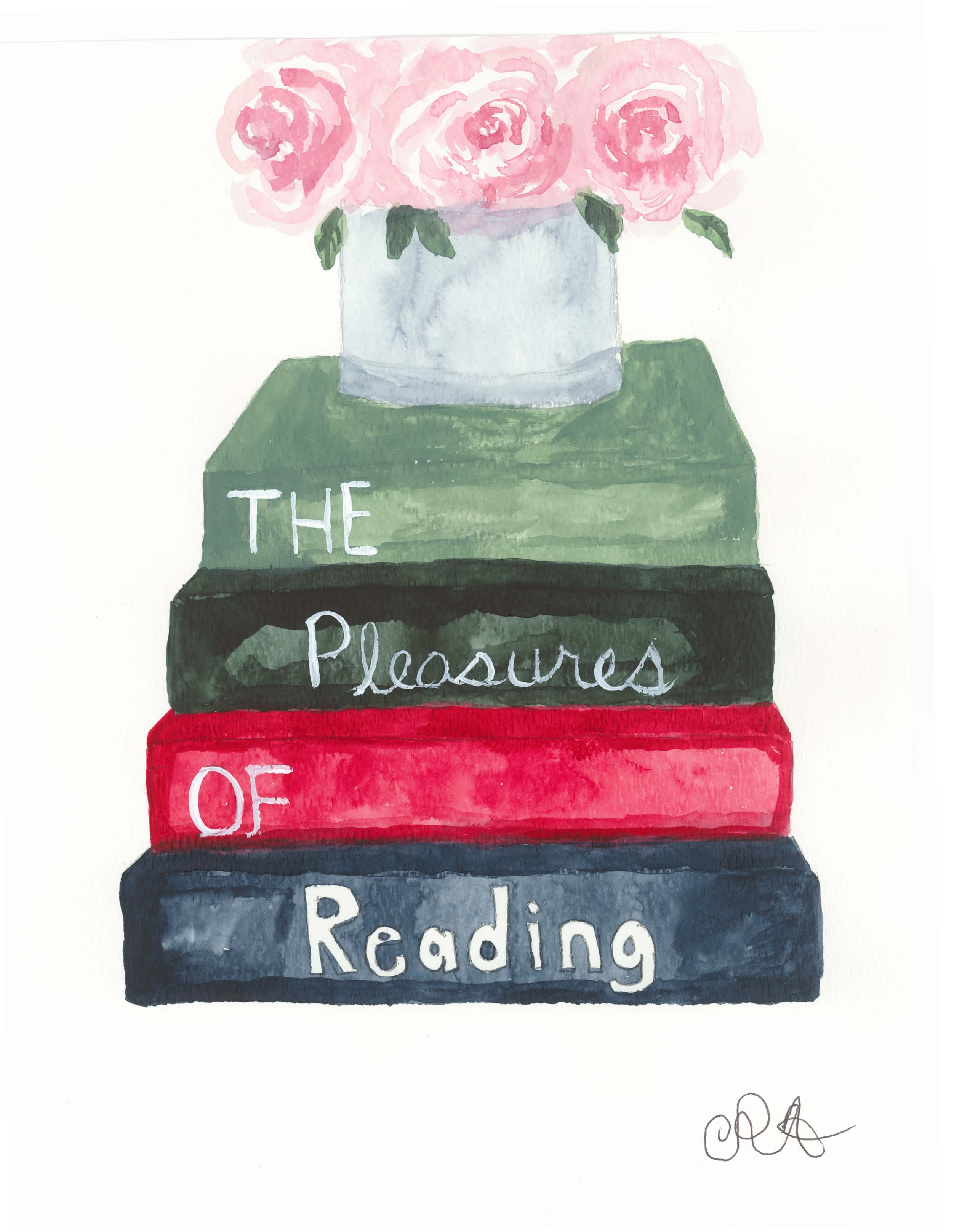
Literary Calendar 2020 Literary Calendar – The Pleasures of Reading

I created a calendar with a literary theme this year entitled “The Pleasures of Reading”. I wanted to share my final calendar images with all of you. This calendar is my favorite so far! I thoroughly enjoyed focusing on painting the books and people engaged in the best activity ever (at least as far as I am concerned) of reading. I enjoyed it so much in fact that I am thinking of focusing all of my art around literary subjects – books, imaginary book covers, book spaces, and more. I used to be worried that it would be too limiting to only focus on one subject area, but it is actually helping with my creativity. Somehow having limits/boundaries for my creative work is helping me to think of a lot more possibilities. Well, enough about that – without further ado, here is my full calendar for 2020:

This slideshow requires JavaScript.

If you are interested in purchasing this calendar, Click Here

A friend of mine, Rochelle, also wrote a blog post about my calendar Click Here

Thinking About Why You Create

The Blank Page by Cindy Adelle Richard

I recently read a book called “What’s Your Creative Type: Harness the Power of Your Creative Personality” by Meta Wagner, and the content was intriguing enough to share. The reason that Wagner wrote the book was to help artist know why they create so that they can maximize their creative potential. The most accomplished and prolific artists know why they create and use it as the driving force behind their work. I am going to provide a summary of each of the types and one example of an a well-known artist who embodies that type. My goal is to introduce you to the creative types and hopefully pique your interest so you will seek out more information.

The A-Lister: Seeking Applause, Adoration, Fame, and Immortality

  • thrive off of adoration and attention from others
  • have a strong need to have people see what you see, feel what you feel, think what you think
  • feel alive when performing for others
  • want to be remembered after you die
  • more interested in the finished product because that is where the glory comes from
  • compete against past and present artists you admire
  • Example of an A-Lister Artist: Pablo Picasso was not only content to make art, he did everything in his power to also ensure he was famous and made money from his art.

The Artisan: Truly, Madly, Deeply Devoted to Creativity

  • just being creative provides its own satisfaction
  • lose all sense of time when deeply engaged in the creative process
  • the thrill of making something from nothing keeps you enthralled
  • love the process even more than the product
  • would keep making art even if no one paid attention to it or paid money for it
  • often look to artists who came before you for inspiration and information
  • Example of The Artisan: Vincent Van Gogh spent years learning to paint and he was quite prolific, yet he really didn’t sell much work when he was alive. He was completely driven by the creative process and making paintings.

The Game Changer: Creating Something Entirely New

  • make new, revolutionary, visionary art – originality crucial to you
  • want to expand the limits of art and get people to see the world differently
  • become restless and bored with following conventions so constantly experimenting with new approaches and techniques to keep yourself engaged
  • may have to wait years, even decades, for your ideas to be accepted
  • Example of The Game Changer: Jackson Pollock created an entirely new way of painting and changed how people looked at abstract art, and the world noticed.

The Sensitive Soul: Expressing Yourself and Helping Others

  • feel things deeply and use creative outlets to channel them
  • lots of things stir your emotions
  • can be thin-skinned, but have a great ability to empathize with the feelings of others
  • when they use art to bring themselves relief from suffering, they also help others to escape their pain
  • always seeking ways to cope with and make meaning out of life
  • often use their personal experiences as the catalyst for their art
  • Example of The Sensitive Soul: Frida Kahlo used her painful past and raw emotions to give her paintings power, and her work has emotionally affected art lovers for generations.

The Activist: Changing the World Through Art

  • desire to create art that has an impact – changes the course of people’s lives or even the course of history
  • tend to see injustices everywhere you look, and you refuse to stand idly by – you must do something
  • there is often a sense of urgency to your work
  • tendency to follow politics and world events on a consistent basis
  • art is often created for shock value and/or to send a message
  • Example of The Activist: Banksy uses street art/murals to spotlight political or moral injustices in our current world. His message is usually anti-war, anti-capitalist, or anti-establishment.

Whether you identify with one, more than one, or none of these types, I hope they will get you thinking about why you create. I do believe that it is helpful to know why you create so that you can return to it when times get tough or when you need to refocus your work. It also helps to know so that you can find the inspiration you need to keep going. I would also recommend checking out Meta Wagner’s book in its entirety – in addition to in-depth descriptions of these types, she also goes into subcategories of the types and helpful hints on how to work best with your creative personality.

I Am a Story Artist

A practice painting of Bonnie Bennett by Cindy Adelle Richard

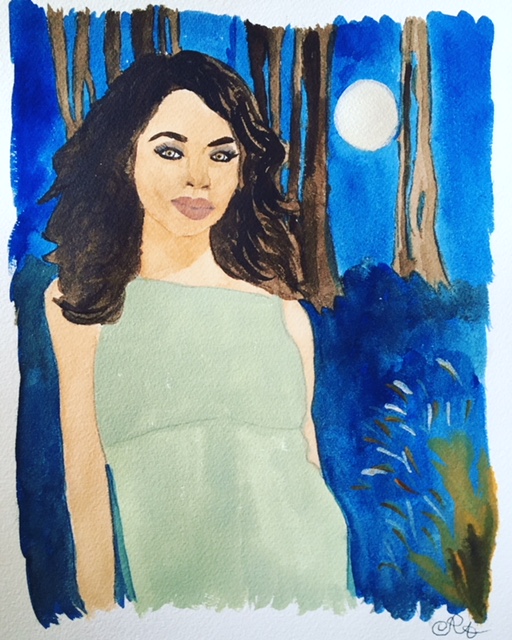
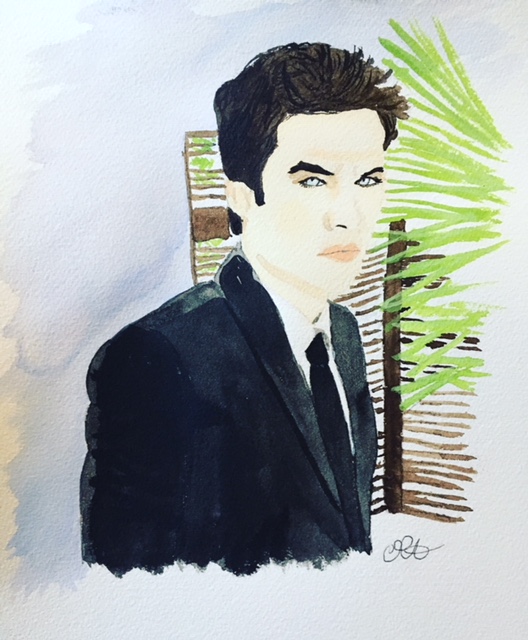
I have been taking a little hiatus from social media to do some deep thinking  about my brand and my art business. I seem to think best by writing by hand with no interference from technology, and I used my time journaling and reflecting on my vocation productively.  The series of practice paintings I posted today are based on characters from THE VAMPIRE DIARIES. Rewatching six seasons of the show and creating these paintings helped me to realize how much I love art that tells a story. I finally found something I can happily do for the rest of my life without getting tired of it. However, these paintings were based on photographs, and I decided I really want to create original art using my favorite stories as inspiration instead.

Practice painting of Damon Salvatore and Elena Gilbert by Cindy Adelle Richard.

One of the big revelations for me while going this process was the role I came up with for myself – being a Story Artist. The two pastimes that have occupied my time throughout my life have been stories and art. From the time I was three years old, I have been obsessed with reading, and my favorite events were book fairs, weekly trips to the school library or the bookmobile, and story time in my classrooms. Eventually my love of stories expanded into movies, television shows, plays, operas, and ballets. I also started to pay attention to the arts as I grew up – painting, playing the drums, and dancing specifically. During the years that I was in college and building a career as a young person, I had forgotten how important these art forms were to me, and I am grateful that I have reconnected to my love of stories and art over the past ten years.

Practice painting of Damon Salvatore by Cindy Adelle Richard.

I have decided to use my favorite stories in various forms and genres as the starting point for the watercolor paintings I produce. This blog will be about my life behind the stories – my life as a Story Artist. In addition to creating and sharing my art, I am still in the process of writing a novel set in the 1920s, so you will still see content based on my discoveries from that glorious era. I am truly excited about this new direction my art and writing are taking, and I hope you will stick around to be a part of my creative journey. Thank you for reading and supporting this blog, and I look forward to sharing more story art and content with you.